
Why Use Precious Metals in Crypto: Stability, Trust, and Value

Traditional cryptocurrencies often swing wildly in value, leaving many investors searching for something more reliable. The rise of asset-backed tokens introduces a new way to combine the strong foundation of physical gold and silver with the speed of blockchain. By linking tokens directly to tangible precious metal reserves, these digital assets promise both transparency and stability for anyone looking to secure their portfolio against unpredictable markets.
Table of Contents
- Cryptocurrencies Backed by Precious Metals Explained
- Types of Precious Metal-Backed Tokens
- How Asset-Backed Tokens Function
- Transparency, Audits, and Regulatory Compliance
- Risks and Limitations of Metal-Backed Tokens
- Comparing Metal-Backed Crypto to Alternatives
Key Takeaways
| Point | Details |
|---|---|
| Metal-Backed Tokens Offer Stability | Unlike traditional cryptocurrencies, metal-backed tokens provide asset-linked stability, reducing volatility in investments. |
| Importance of Transparency and Audits | Regular independent audits and thorough custody documentation are critical in verifying that metal-backed tokens are legitimately backed by physical assets. |
| Various Token Types for Diversification | Investors can choose from different types of metal-backed tokens, such as gold, silver, or mixed metal, each with unique investment characteristics. |
| Risk Awareness is Essential | Investors should remain aware of risks such as market volatility and regulatory challenges associated with metal-backed cryptocurrencies, conducting due diligence before investing. |
Cryptocurrencies Backed by Precious Metals Explained
Cryptocurrencies backed by precious metals represent a groundbreaking approach to digital assets, offering enhanced stability and tangible value in an often volatile market. Unlike traditional cryptocurrencies that derive value purely from market speculation, metal-backed tokens provide direct linkage to physical assets with inherent worth.
The concept centers on creating digital currencies with real-world collateral, specifically gold and silver reserves. Asset-backed token mechanisms enable investors to own cryptocurrency tokens that represent actual precious metal holdings, providing several critical advantages:
- Direct ownership of physical metal assets
- Reduced volatility compared to standard cryptocurrencies
- Enhanced transparency through verifiable reserve documentation
- Legal ownership claims over underlying metal reserves
- Potential hedge against traditional market fluctuations
Precious metal-backed cryptocurrencies function through a sophisticated tokenization process where each digital token represents a specific quantity of physical metal stored in secure, audited vaults. This approach transforms traditional investment paradigms by merging the technological innovation of blockchain with the time-tested stability of precious metals.
Tokenization bridges the gap between digital innovation and tangible asset security, offering investors a unique hybrid investment instrument.
Stability Mechanisms in these cryptocurrencies typically involve maintaining a precise 1:1 or fractional metal reserve ratio. Investors can potentially redeem their tokens for physical metal or sell them on cryptocurrency exchanges, creating a flexible investment vehicle.
Pro tip: Before investing in metal-backed cryptocurrencies, always verify the custody arrangements, audit documentation, and metal reserve verification processes to ensure legitimate asset backing.
Types of Precious Metal-Backed Tokens
Precious metal-backed tokens represent a diverse ecosystem of digital assets, each offering unique investment characteristics and underlying metal reserves. Performance analysis of gold-backed cryptocurrencies reveals multiple distinct categories that investors should understand.
The primary types of precious metal-backed tokens include:
- Gold-backed Tokens: Directly linked to gold reserves, offering the most traditional precious metal investment
- Silver-backed Tokens: Providing exposure to silver’s industrial and investment potential
- Mixed Metal Tokens: Combining multiple precious metals for diversified asset backing
- Fractional Reserve Tokens: Representing partial ownership of physical metal reserves
- Fully Collateralized Tokens: Maintaining a direct 1:1 ratio with physical metal holdings
Each token type presents unique investment dynamics. Gold-backed tokens typically offer the most stability, given gold’s historical role as a store of value. Silver-backed tokens, by contrast, provide more volatility due to silver’s significant industrial applications.

Here is a summary comparing the main types of precious metal-backed tokens for investors:
| Token Type | Underlying Asset | Liquidity Profile | Typical Investor Goal |
|---|---|---|---|
| Gold-backed | Physical gold bars or coins | Moderate to high | Wealth preservation |
| Silver-backed | Physical silver holdings | Moderate | Growth and speculation |
| Mixed Metal | Combination of several metals | Variable | Diversification |
| Fractional Reserve | Partial metal backing | Variable | Access with lower capital |
| Fully Collateralized | 1:1 backing with metal | Higher | Maximum security and trust |
Precious metal-backed tokens transform traditional investment paradigms by merging blockchain technology with tangible asset security.
Investors must carefully evaluate asset-backed cryptocurrency structures to understand the specific mechanisms of token valuation, redemption processes, and underlying reserve management strategies. Factors like metal purity, storage location, and independent audit frequency become critical considerations in selecting the most appropriate token.
Pro tip: Always request and review the most recent independent audit documentation for any precious metal-backed token to verify the actual metal reserves and ensure legitimate asset backing.
How Asset-Backed Tokens Function
Asset-backed tokens represent a sophisticated financial innovation that bridges traditional asset ownership with blockchain technology. Tokenization mechanisms enable digital representation of physical assets, transforming how investors interact with precious metal investments.
The fundamental functioning of asset-backed tokens involves several critical processes:
- Digital Representation: Converting physical metal holdings into blockchain-based tokens
- Custody Management: Securing physical metal reserves in audited, insured vaults
- Valuation Mechanism: Maintaining direct correlation between token value and underlying metal price
- Redemption Framework: Establishing clear protocols for token-to-metal conversion
- Transparency Protocols: Providing real-time verification of metal reserves
Under this model, each token represents a specific quantity of physical metal, typically with robust legal frameworks ensuring investor protection. The blockchain provides unprecedented transparency, allowing investors to verify reserve holdings and track asset movements in real-time.
Digital tokens transform precious metal investment by combining technological efficiency with tangible asset security.
The technical infrastructure requires complex metal-backed stablecoin mechanisms that integrate secure storage, blockchain technology, and regulatory compliance. Investors gain exposure to precious metals without traditional barriers like physical storage, transportation, and liquidity challenges.
Pro tip: Always verify the token’s independent third-party audit documentation and understand the specific redemption processes before investing in any asset-backed cryptocurrency.
Transparency, Audits, and Regulatory Compliance
Regulatory compliance forms the critical backbone of precious metal-backed cryptocurrencies, ensuring investor protection and market integrity. Regulatory considerations in tokenization highlight the complex framework required to maintain trust and legal transparency in digital asset markets.
Key elements of transparency and compliance include:
- Independent Third-Party Audits: Regular, comprehensive reviews of metal reserves
- Custody Verification: Detailed documentation of physical asset storage and management
- Legal Compliance: Adherence to financial regulations across multiple jurisdictions
- Disclosure Requirements: Comprehensive reporting of token backing and asset composition
- Investor Protection Mechanisms: Robust frameworks to safeguard investor interests
The most reputable precious metal-backed tokens implement rigorous transparency protocols that go beyond standard financial reporting. These protocols involve real-time tracking of metal reserves, detailed documentation of asset custody, and transparent reporting of token issuance and redemption.
Transparency is not just a feature, but the fundamental foundation of trust in digital asset markets.
Regulatory compliance requires sophisticated infrastructure that bridges traditional financial oversight with blockchain technology. This includes comprehensive documentation, regular external audits, and adherence to international financial regulations across multiple jurisdictions.
Pro tip: Request and carefully review the most recent independent audit documentation before investing in any precious metal-backed cryptocurrency, paying special attention to reserve verification and custody details.
Risks and Limitations of Metal-Backed Tokens
Despite the promising potential of precious metal-backed cryptocurrencies, investors must carefully understand the inherent risks and potential limitations. Stability challenges in metal-backed stablecoins reveal several critical considerations that could impact investment strategies.
Key risks and limitations include:
- Market Volatility: Potential price fluctuations in underlying precious metal markets
- Regulatory Uncertainty: Changing legal landscapes across different jurisdictions
- Liquidity Constraints: Potential limitations in token trading and redemption
- Verification Challenges: Complex processes for confirming actual metal reserves
- Counterparty Risks: Potential issues with token issuers and custodial arrangements
The most significant concern for investors remains the potential disconnection between token value and actual metal reserves. Unlike traditional financial instruments, metal-backed tokens operate in a relatively new and evolving market segment, which introduces additional layers of complexity and uncertainty.
Not all that glitters is gold – due diligence remains paramount in metal-backed token investments.
Technical and operational challenges can emerge from the complex mechanisms required to maintain precise metal-to-token ratios. This includes managing storage costs, insurance, transportation, and continuous verification of physical asset backing, which can create additional financial and logistical burdens.
Pro tip: Conduct thorough independent research and maintain a diversified investment approach, allocating only a carefully considered portion of your portfolio to metal-backed tokens.
Comparing Metal-Backed Crypto to Alternatives
Digital asset investments present multiple options for investors seeking diversification and stability. Cryptocurrency and precious metals comparison reveals nuanced differences that investors must carefully consider when building their investment strategies.
Key comparative characteristics include:
- Traditional Cryptocurrencies: High volatility, speculative value
- Metal-Backed Tokens: Asset-linked stability, reduced speculation
- Physical Precious Metals: Tangible ownership, storage challenges
- Gold ETFs: Paper representation, lower transaction flexibility
- Futures Contracts: Complex trading mechanisms, higher entry barriers
Traditional cryptocurrencies often experience extreme price fluctuations, whereas metal-backed tokens provide a more stabilized investment approach. Gold-backed crypto hedging capabilities demonstrate unique advantages in maintaining value during economic uncertainties.
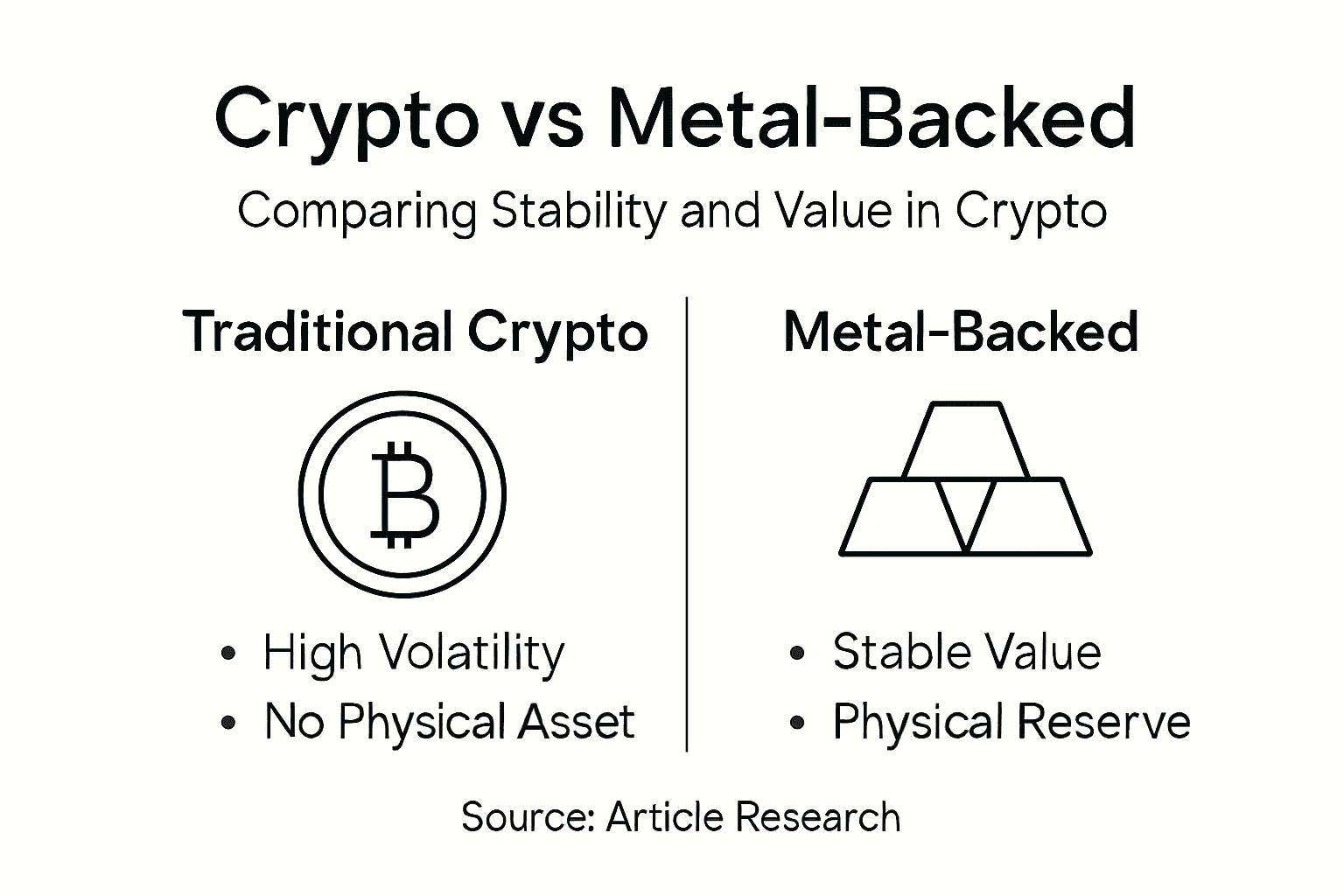
See how metal-backed crypto compares to other investment options:
| Investment Type | Asset Backing | Price Stability | Ease of Redemption |
|---|---|---|---|
| Traditional Crypto | None | Low, highly volatile | Instant, digital only |
| Metal-Backed Token | Physical metals | Medium, asset-linked | Redeemable for metal or cash |
| Physical Metal | Tangible metal | High, price-linked | In-person liquidation needed |
| Gold ETF | Paper claim on gold | Medium, ETF tracking | Tradable on stock exchanges |
Bridging digital innovation with tangible asset security requires understanding each investment vehicle’s distinct characteristics.
Metal-backed cryptocurrencies emerge as a hybrid solution, combining blockchain technology’s efficiency with precious metals’ inherent value preservation. Unlike pure digital currencies, these tokens offer a more grounded investment approach that connects technological innovation with traditional asset protection.
Pro tip: Evaluate your risk tolerance and investment goals carefully, considering metal-backed tokens as a potential middle ground between traditional cryptocurrencies and physical asset investments.
Discover Stability and Trust with Precious Metal-Backed Crypto at Maya Preferred
The article highlights the core challenge investors face today with cryptocurrencies: volatility and lack of tangible backing. Precious metal-backed tokens offer a powerful solution by connecting digital assets directly to gold and silver reserves, providing stability, transparency, and real-world value. If you are seeking more than speculative crypto and want to invest with confidence in assets supported by verified audit documentation and legal custody, the future is asset-backed tokens.
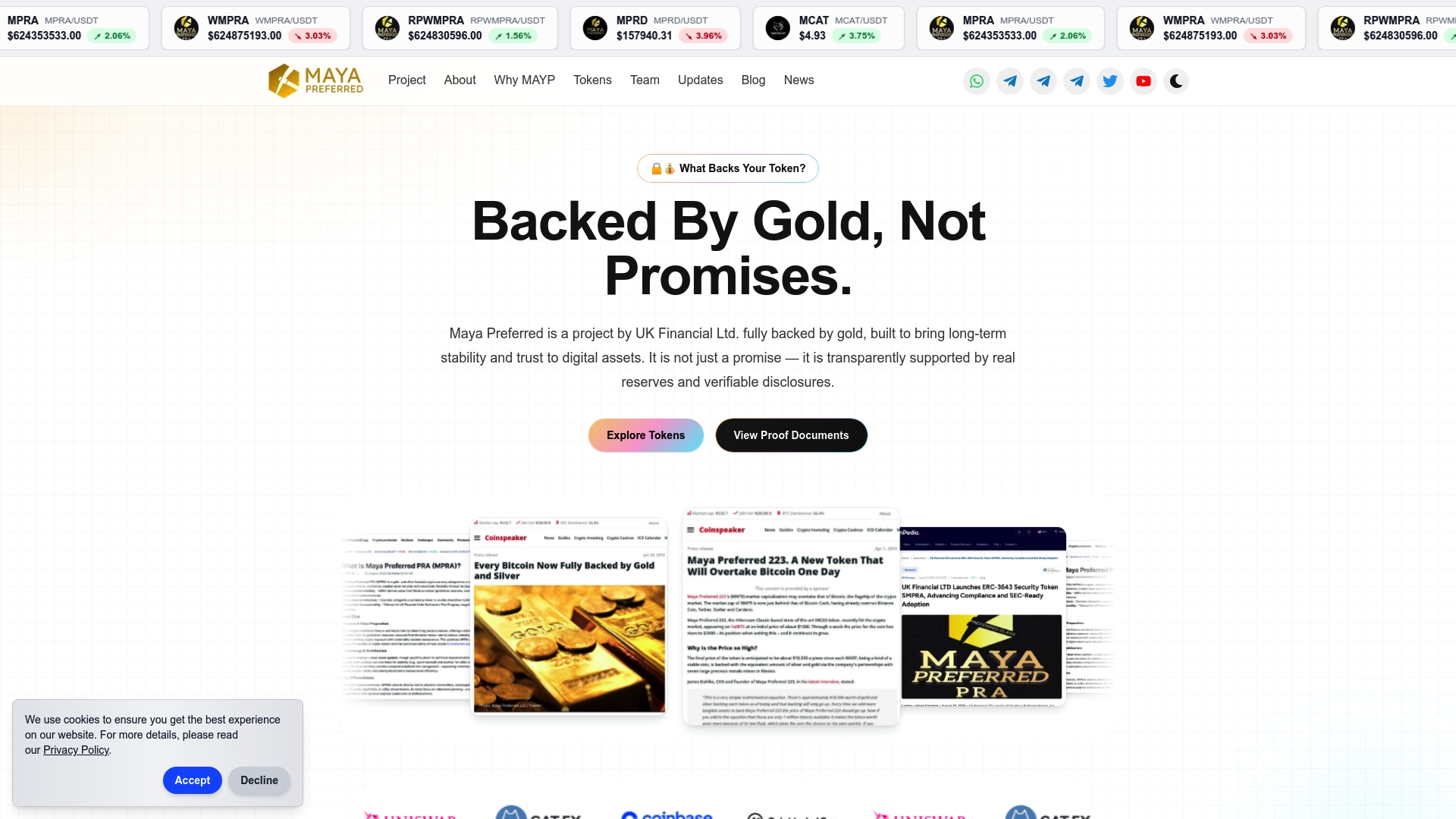
Explore how Maya Preferred bridges the gap between blockchain innovation and the time-tested security of precious metals. Our platform features tokens like MPRA, MPRD, and MCAT that are backed by actual gold and silver reserves with full transparency. We emphasize audited proof of reserves, regulatory compliance, and community trust to give you peace of mind in digital investing. Take control of your portfolio with Maya Preferred and join a growing ecosystem built on stability and real asset value. Start your journey by visiting Maya Preferred and learn more about our unique offerings and how to trade with confidence today.
Frequently Asked Questions
What are the advantages of using precious metals in cryptocurrencies?
Metal-backed cryptocurrencies offer enhanced stability, reduced volatility, and legal ownership claims over physical assets, making them a safer investment compared to traditional cryptocurrencies.
How do precious metal-backed tokens ensure transparency?
These tokens employ independent third-party audits, custody verification, and real-time tracking of metal reserves to maintain transparency and trust in their asset backing.
What types of precious metals are commonly used in crypto-backed tokens?
The primary types are gold-backed tokens, silver-backed tokens, mixed metal tokens, fractional reserve tokens, and fully collateralized tokens. Each serves different investment goals and offers varying stability levels.
What risks are associated with investing in precious metal-backed cryptocurrencies?
Investors face market volatility, regulatory uncertainty, liquidity constraints, and potential verification challenges regarding actual metal reserves, which can impact their investment outcomes.