
Role of Silver in Crypto: Stability and Transparency

More than 80 percent of cryptocurrency investors are now exploring silver-backed digital assets for added transparency and stability. American investors are especially drawn to these innovative tokens, which provide direct links to physical silver reserves and a way to avoid traditional market barriers. This article breaks down the real-world mechanisms, security protocols, and regulatory factors that shape safe, verifiable silver-backed crypto investments for global participants.
Table of Contents
- Silver in Crypto Assets Explained
- Types of Silver-Backed Tokens
- Backing, Storage, and Audit Processes
- Regulatory Compliance and Transparency
- Risks of Silver-Backed Digital Assets
- Comparing Silver, Gold, and Other Crypto
Key Takeaways
| Point | Details |
|---|---|
| Silver-Backed Crypto Assets | Silver-backed cryptocurrencies integrate blockchain technology with physical silver reserves, enhancing stability and transparency in digital investments. |
| Types of Tokens | There are three main types of silver-backed tokens: fully-backed stablecoins, algorithmic tokens, and crypto-backed tokens, each offering distinct mechanisms for value representation. |
| Regulatory Compliance | Regulatory frameworks are evolving to ensure transparency and protect investors in the silver-backed cryptocurrency market, necessitating due diligence in compliance verification. |
| Investment Risks | Investors must be aware of market volatility and operational risks associated with silver-backed digital assets, including custodial challenges and regulatory changes. |
Silver in Crypto Assets Explained
The emergence of silver-backed cryptocurrencies represents a significant evolution in digital asset strategies, transforming how investors perceive and interact with precious metal investments. Unlike traditional cryptocurrency models, silver-based digital assets offer a unique blend of technological innovation and tangible asset backing. Digital silver representations provide investors with opportunities to engage precious metal markets through blockchain technologies.
Cryptocurrency platforms are increasingly exploring silver tokenization as a method to introduce stability and real-world value into digital asset ecosystems. These tokens function by directly linking blockchain-based financial instruments to physical silver reserves, creating a transparent mechanism for ownership and trade. Blockchain tokenization strategies757580_EN.pdf) enable fractional ownership, allowing investors to participate in silver markets with lower entry barriers compared to traditional investment approaches.
The technical infrastructure supporting silver crypto assets involves complex blockchain mechanisms that ensure transparent tracking, secure transactions, and verifiable ownership. Investors can leverage these digital instruments to gain exposure to silver’s value without the logistical challenges of physical metal storage. Advanced cryptographic techniques provide robust security protocols, ensuring that each token represents a precise quantity of physical silver stored in verified vault locations.
Pro tip: When exploring silver-backed crypto assets, always verify the token’s physical silver reserve documentation and audit trails to ensure authentic asset backing.
Types of Silver-Backed Tokens
Silver-backed cryptocurrencies represent a nuanced ecosystem with diverse token structures designed to provide investors with innovative ways to engage precious metal markets. Silver-backed token categories typically fall into three primary classifications: fully-backed stablecoins, algorithmic tokens, and collateralized crypto tokens. Each type offers unique mechanisms for representing silver’s underlying economic value through blockchain technologies.
The first category, fully-backed stablecoins, maintains a direct 1:1 relationship between circulating tokens and physical silver reserves. These tokens provide maximum transparency, allowing investors to verify exact silver holdings supporting their digital assets. Prominent silver cryptocurrency platforms like Kinesis Silver demonstrate how these tokens enable fractional ownership and seamless trading of precious metal investments without traditional market barriers.
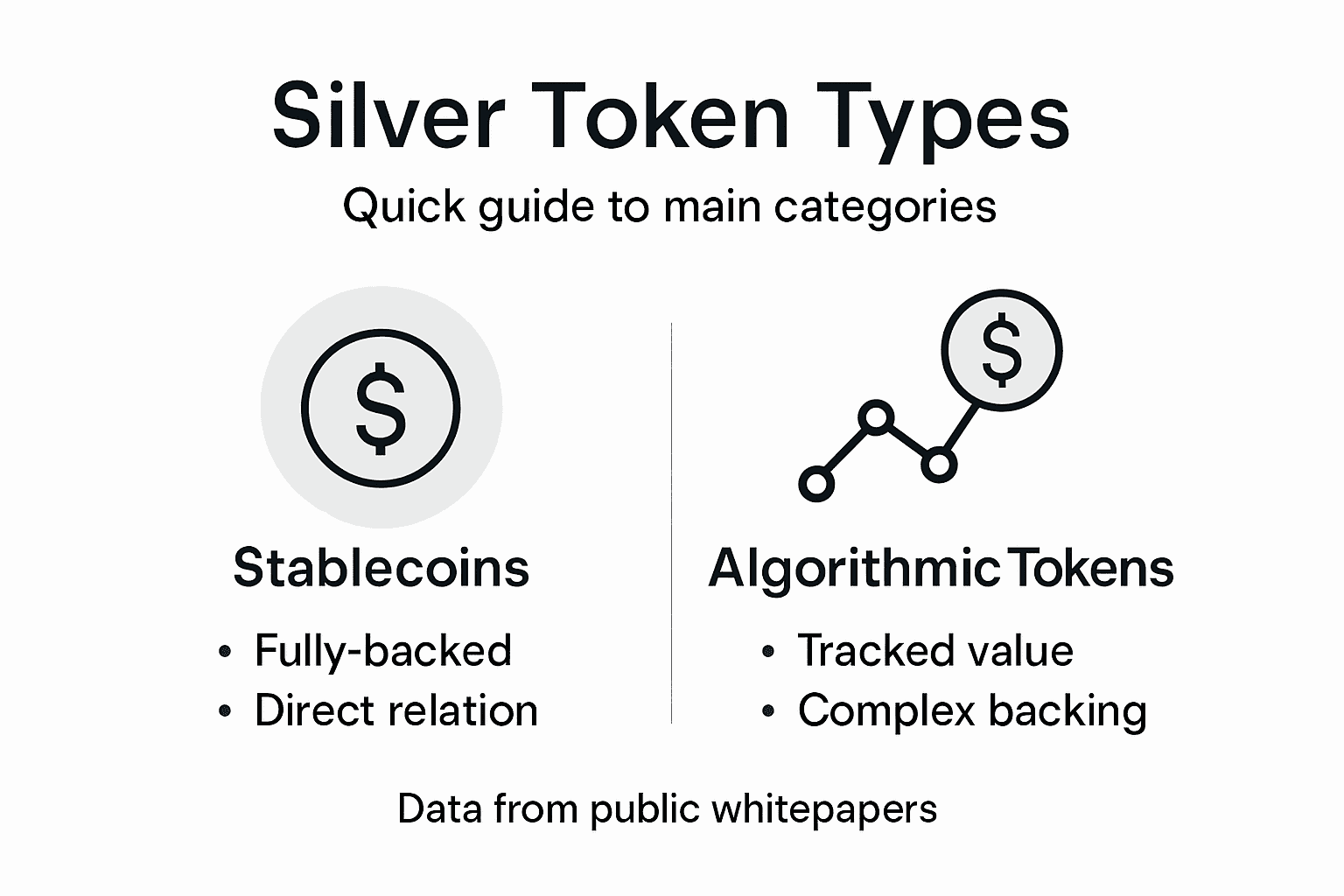
Algorithmic and crypto-backed silver tokens introduce more complex valuation mechanisms. Algorithmic tokens track silver price movements without direct physical redemption, while crypto-backed tokens utilize sophisticated collateralization strategies to maintain value stability. These innovative approaches expand investor options, creating flexible digital representations of silver that can adapt to changing market dynamics and technological advancements.
Pro tip: Always conduct thorough due diligence on the specific backing mechanisms and redemption policies of any silver-backed cryptocurrency before making investment decisions.
Here’s a comparison of silver-backed token types and their key features:
| Token Type | Backing Mechanism | Value Stability Approach | Investor Benefits |
|---|---|---|---|
| Fully-backed Stablecoins | Direct 1:1 link to physical silver | Stable, matches silver price | Transparent ownership, easy audit |
| Algorithmic Tokens | No physical reserve, uses price algorithms | Algorithmic price tracking | Low entry barrier, flexible use |
| Crypto-backed Tokens | Collateralized by other crypto or silver assets | Value managed by smart contracts | Enhanced liquidity, risk control |
Backing, Storage, and Audit Processes
Physical reserve management represents the cornerstone of silver-backed cryptocurrency integrity, ensuring digital tokens maintain genuine value through rigorous backing and storage protocols. These sophisticated systems involve multiple layers of verification, including secure vault storage, regular physical inventories, and comprehensive third-party auditing mechanisms that provide investors with transparency and confidence in their digital silver assets.

Institutional custody plays a critical role in maintaining the reliability of silver-backed tokens. Silver cryptocurrency storage solutions typically involve specialized secure facilities with advanced security infrastructure, including climate-controlled environments, multi-factor access controls, and real-time monitoring systems. These storage facilities are strategically located in jurisdictions with robust regulatory frameworks, ensuring that physical silver reserves remain protected and accurately documented.
The audit process for silver-backed cryptocurrencies involves systematic verification procedures designed to validate the precise quantity and quality of underlying silver reserves. Independent auditing firms conduct comprehensive examinations, including physical inventory checks, metallurgical assessments, and cross-referencing of digital token circulation against actual silver holdings. This meticulous approach ensures that each digital token represents a genuine, verifiable fraction of physical silver, maintaining the fundamental promise of asset-backed cryptocurrency investments.
Pro tip: Request and review the most recent independent audit reports before investing in any silver-backed cryptocurrency to verify the authenticity of physical reserve claims.
Regulatory Compliance and Transparency
Regulatory frameworks for silver-backed cryptocurrencies represent a complex and evolving landscape of legal oversight designed to protect investor interests. Stablecoin regulatory challenges have prompted global financial authorities to develop comprehensive guidelines that ensure transparency, accountability, and consumer protection in digital asset markets. These regulations aim to mitigate risks associated with token issuance, requiring detailed disclosure of physical silver reserves and comprehensive audit trails.
Compliance mechanisms for silver-backed tokens involve multiple layers of regulatory scrutiny, including Know Your Customer (KYC) and Anti-Money Laundering (AML) protocols. Crypto asset regulatory approaches vary across jurisdictions, with some regions like Switzerland and Liechtenstein developing sophisticated frameworks that balance innovation with investor safeguards. These regulatory models mandate strict reporting requirements, ensuring that digital silver tokens maintain direct correlation with physical silver reserves and provide transparent mechanisms for token redemption.
The global regulatory environment continues to evolve, with increasing emphasis on standardizing compliance protocols for asset-backed cryptocurrencies. Financial regulators are developing more nuanced approaches that recognize the unique characteristics of silver-backed tokens, creating frameworks that balance technological innovation with robust investor protections. This progressive regulatory landscape aims to build institutional trust, reduce market volatility, and establish clear guidelines for tokenized precious metal investments.
Pro tip: Always verify a silver-backed cryptocurrency’s regulatory compliance by checking its registration status and published regulatory documentation in relevant jurisdictions.
Risks of Silver-Backed Digital Assets
Digital asset investment strategies require careful consideration of potential vulnerabilities, particularly in the emerging market of silver-backed cryptocurrencies. Comprehensive crypto asset risks encompass multiple dimensions, including market volatility, counterparty risks, and operational challenges that can significantly impact investor outcomes. These risks extend beyond traditional investment concerns, creating a complex landscape for digital silver token investors to navigate.
Market-specific risks for silver-backed tokens include significant price fluctuations in both the cryptocurrency and underlying physical silver markets. Silver cryptocurrency investment challenges highlight the potential for substantial value disruptions caused by geopolitical events, industrial demand changes, and broader economic shifts. Investors must carefully assess the potential for misalignment between digital token values and actual silver reserve valuations, which can create unexpected financial exposure.
Operational risks represent another critical area of concern for silver-backed digital assets. These risks include potential custodial mismanagement, audit inaccuracies, and technical vulnerabilities in blockchain infrastructure. The reliance on third-party auditors and storage facilities introduces additional layers of complexity, where a single point of failure could compromise the entire token ecosystem. Regulatory uncertainty further compounds these risks, as evolving legal frameworks may suddenly impact the viability and tradability of silver-backed cryptocurrency instruments.
Pro tip: Conduct thorough due diligence by examining the token issuer’s audit history, storage mechanisms, and regulatory compliance before making any investment decisions.
Comparing Silver, Gold, and Other Crypto
Digital asset comparisons reveal complex interactions between traditional precious metals and emerging cryptocurrency technologies. Precious metal investment dynamics demonstrate that silver, gold, and cryptocurrencies serve distinct yet interconnected roles in modern investment portfolios. While gold traditionally represents a wealth preservation mechanism, silver offers unique hybrid characteristics bridging industrial utility and monetary value.
Crypto asset analogy frameworks highlight intriguing parallels between precious metals and digital currencies, with Bitcoin often characterized as digital gold and Litecoin positioned as digital silver. These comparisons extend beyond metaphorical representations, incorporating sophisticated transaction metrics and valuation models that reveal nuanced differences in store of value, volatility, and technological infrastructure across different asset classes.
Each asset class presents unique investment characteristics. Cryptocurrencies demonstrate high volatility and speculative potential, silver maintains strong industrial demand alongside monetary value, and gold continues to serve as a traditional safe-haven asset. The emerging digital asset landscape increasingly blurs traditional boundaries, creating sophisticated investment instruments that combine elements of physical commodities and technological innovation.
Pro tip: Diversify your investment approach by understanding the unique risk-reward profiles of silver, gold, and cryptocurrency assets rather than treating them as interchangeable investment vehicles.
To help investors understand key differences, here’s how silver, gold, and cryptocurrencies compare as digital assets:
| Asset Type | Main Use Case | Volatility Level | Typical Storage Needs | Notable Risks |
|---|---|---|---|---|
| Silver | Industrial & monetary | Moderate | Vault or tokenized platform | Price tied to industry demand |
| Gold | Store of value | Low | Vault or tokenized platform | Regulatory, low yield |
| Cryptocurrency | Speculation & utility | High | Digital wallet/platform | Cybersecurity, price swings |
Unlock Stability and Transparency in Silver-Backed Crypto Investments
The article highlights the challenges investors face with silver-backed cryptocurrencies, such as verifying physical reserve backing and ensuring regulatory compliance. Silver tokens promise stability and transparency, yet many struggle with uncertain audit trails and storage processes. If you seek reliable asset-backed digital silver tokens that combine blockchain innovation with real-world proof, there is a solution built precisely for your needs.
Discover how Maya Preferred addresses these concerns by offering fully backed silver and gold blockchain tokens, complete with comprehensive audits and disclosures. Our platform not only guarantees real silver reserves but also provides access to verified proof documents, stable token utilities like MPRA and MPRD, and ongoing regulatory compliance updates. This clarity empowers you to invest confidently without the guesswork that many silver crypto projects overlook.
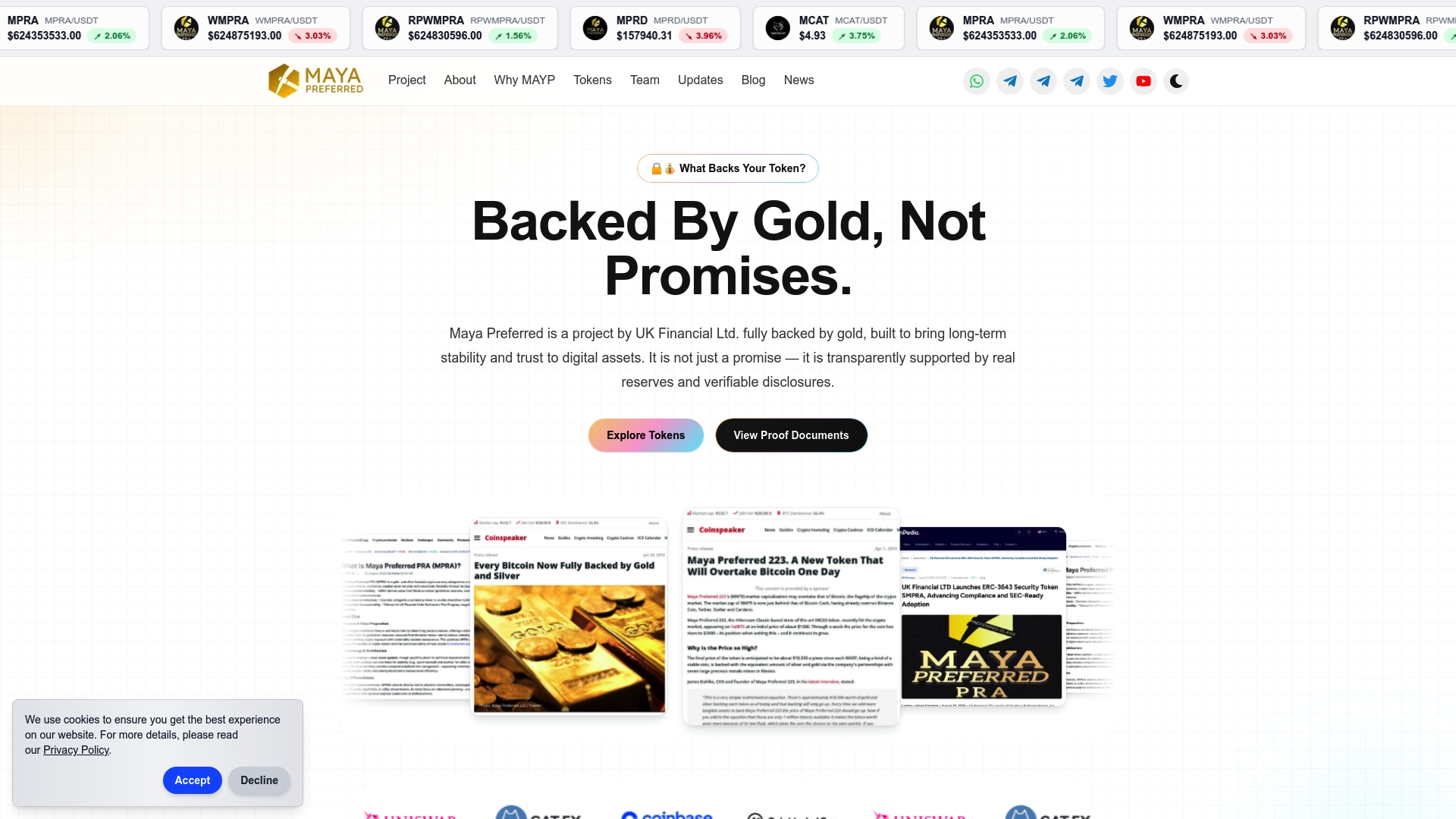
Join a community that prioritizes trust and long-term stability in precious metal digital assets. Visit Maya Preferred’s website now to explore detailed reserve documentation, understand our mining project backings, and start engaging with silver-backed cryptocurrencies designed for transparency and security. Take control of your investment today by choosing a platform built on proven real-world assets and transparent blockchain technology.
Frequently Asked Questions
What are silver-backed cryptocurrencies?
Silver-backed cryptocurrencies are digital assets that are directly linked to physical silver reserves. They provide investors with a way to engage in silver markets through blockchain technology, offering transparency and security in ownership.
How do silver-backed tokens ensure value stability?
Silver-backed tokens can maintain value stability through different mechanisms, such as fully-backed stablecoins that link directly to physical silver on a 1:1 basis or algorithmic tokens that use price tracking algorithms. This helps to reduce the fluctuations commonly associated with traditional cryptocurrencies.
What processes are involved in the management of physical silver reserves?
The management of physical silver reserves involves secure vault storage, regular inventories, and third-party audits to ensure transparency and the accuracy of the silver holdings backing the digital tokens. This rigorous process is crucial for maintaining the integrity of silver-backed cryptocurrencies.
What are the risks of investing in silver-backed cryptocurrencies?
Investing in silver-backed cryptocurrencies carries risks such as market volatility of both the digital assets and physical silver, operational risks like custodial mismanagement, and regulatory uncertainty that can impact the viability of the tokens. Investors should conduct thorough due diligence before investing.