
What Are Hybrid Digital Assets and Why They Matter

Most American investors now demand digital assets backed by real-world value, and over 60% say transparency matters more than ever. For those who track every ounce of gold or silver, hybrid digital assets are changing how value is stored and verified. Understanding these innovative tokens can help you sidestep common myths and spot authentic opportunities anchored to physical reserves, especially as global demand grows beyond simple cryptocurrencies.
Table of Contents
- Defining Hybrid Digital Assets And Common Myths
- Types Of Hybrid Digital Assets Explained
- How Asset-Backed Tokens Operate
- Investor Benefits And Use Cases Today
- Risks, Regulatory Issues, And What To Avoid
Key Takeaways
| Point | Details |
|---|---|
| Hybrid Digital Assets Bridge Traditional and Digital Finance | They combine physical asset characteristics with digital innovation, providing new investment opportunities with tangible value. |
| Types of Hybrid Digital Assets Offer Distinct Roles | Categories such as commodity-backed tokens and security tokens serve specific economic functions within the digital financial ecosystem. |
| Investor Advantages Include Enhanced Accessibility | These assets enable global participation, fractional ownership, and improved liquidity, transforming traditional investment strategies. |
| Conduct Due Diligence and Manage Risks | Investors must verify asset backing and regulatory compliance to mitigate risks associated with hybrid digital assets. |
Defining Hybrid Digital Assets and Common Myths
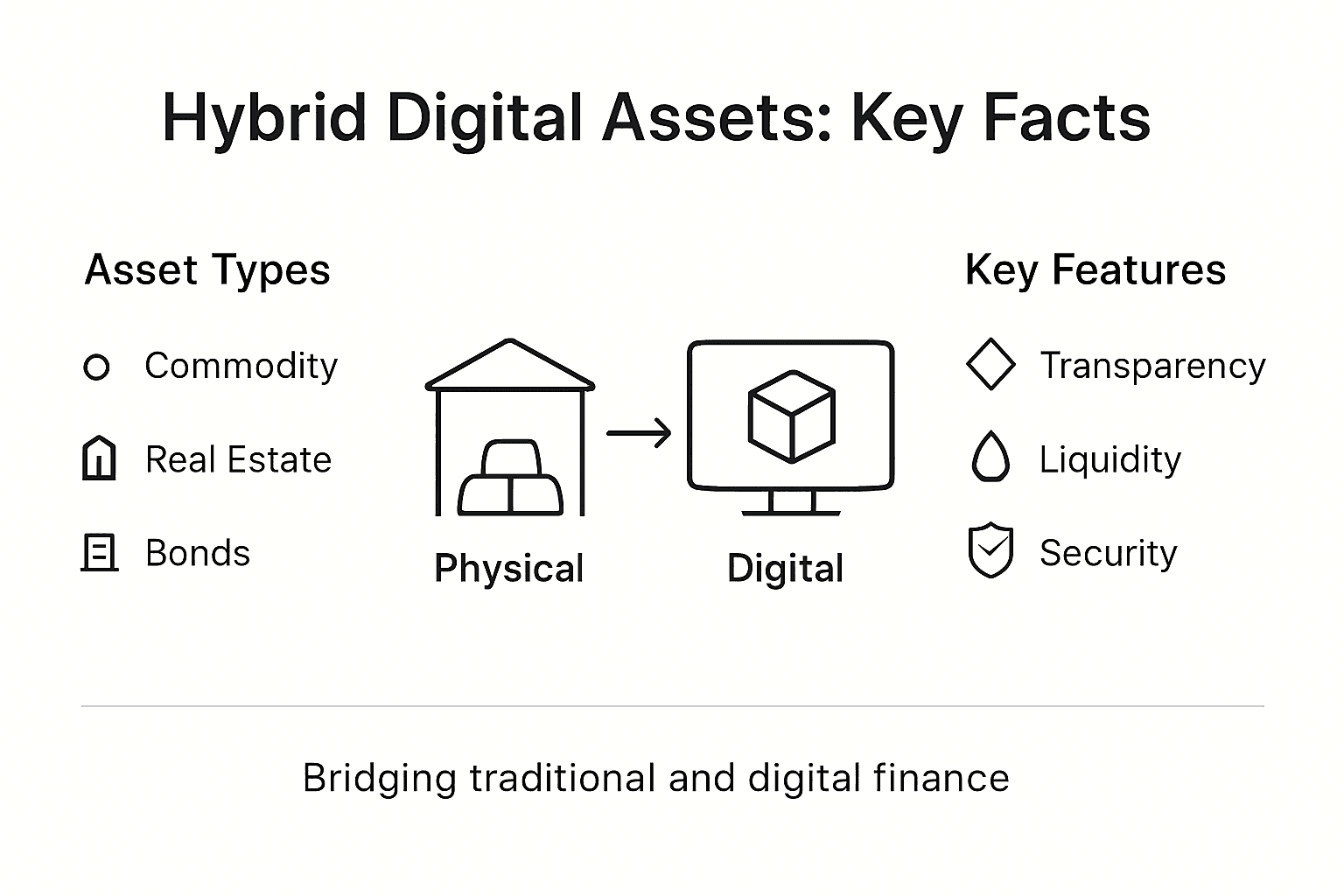
Hybrid digital assets represent a sophisticated financial innovation bridging traditional asset classes with digital technologies. These unique instruments combine characteristics of physical assets like precious metals with digital representation through blockchain technology, creating a new investment paradigm that offers enhanced transparency and accessibility. Unlike purely speculative cryptocurrencies, hybrid digital assets challenge conventional property definitions by providing tangible value anchoring through real-world reserves.
The complexity of hybrid digital assets stems from their multifaceted nature. They typically involve tokenized representations of physical assets such as gold, silver, or other commodities, where each digital token corresponds directly to a specific quantity of the underlying physical asset. This structure provides investors with digital ownership that maintains intrinsic value, unlike purely abstract cryptocurrency models. By establishing clear links between digital tokens and physical reserves, these assets reduce investment uncertainty and provide a more stable digital investment vehicle.
Common myths surrounding hybrid digital assets often emerge from misunderstandings about their fundamental characteristics. Many investors incorrectly assume that these assets are solely speculative instruments, when in reality, they serve as sophisticated financial tools enabling broader economic participation. These digital assets can facilitate transactions for unbanked populations, provide transparent investment mechanisms, and offer enhanced liquidity compared to traditional asset ownership models. They represent a technological bridge connecting conventional asset classes with modern digital infrastructure.
Pro tip: Before investing in hybrid digital assets, carefully verify the actual physical asset reserves and the transparency of the underlying blockchain mechanism to ensure genuine value representation.
Types of Hybrid Digital Assets Explained
Hybrid digital assets represent a complex spectrum of financial instruments that blend technological innovation with traditional asset characteristics. Comprehensive classifications of digital assets reveal multiple sophisticated types that go far beyond simple cryptocurrency models. The primary categories include commodity-backed tokens, security tokens, utility tokens, and asset-representation tokens, each serving distinct economic functions within the emerging digital financial ecosystem.
Commodity-backed tokens stand out as a prominent hybrid digital asset type, where physical assets like gold, silver, or real estate are directly represented through blockchain technology. These tokens provide investors with digital ownership certificates that maintain direct correlation to tangible asset values. Security tokens represent legal ownership in traditional financial instruments such as stocks or bonds, transformed into digital format with enhanced liquidity and fractional ownership capabilities. Utility tokens, another significant category, offer specific access rights or functional privileges within blockchain-based platforms, bridging digital service ecosystems with investable digital representations.
Virtual asset classifications demonstrate the nuanced regulatory landscape surrounding these innovative financial instruments. Asset-representation tokens provide perhaps the most transparent mechanism, allowing precise digital mapping of real-world assets with verifiable ownership records. These tokens enable unprecedented levels of transaction transparency, reducing intermediary costs and creating more accessible investment pathways for global investors interested in diversified asset portfolios.
Pro tip: When exploring hybrid digital assets, prioritize platforms offering comprehensive asset verification, transparent reserve documentation, and clear regulatory compliance to ensure authentic investment opportunities.
Here is a summary of key types of hybrid digital assets and their roles:
| Asset Type | Main Characteristics | Typical Use Case |
|---|---|---|
| Commodity-backed tokens | Linked to physical assets, stable value | Investment in gold, real estate |
| Security tokens | Represents legal financial ownership | Equity in companies, bonds trading |
| Utility tokens | Grants platform privileges | Access to blockchain services |
| Asset-representation | Precise ownership mapping, transparent | Documenting artwork, property |
How Asset-Backed Tokens Operate
Asset-backed tokens fundamentally transform traditional asset ownership through advanced blockchain technologies. Sophisticated tokenization processes enable direct representation of physical and financial assets within digital ecosystems, creating unprecedented investment accessibility. These digital instruments convert tangible assets like real estate, precious metals, or financial securities into tradable blockchain-based tokens, effectively democratizing investment opportunities and reducing traditional market entry barriers.

The intricate mechanics of asset-backed tokens involve multiple critical technological and legal frameworks that ensure authentic representation and transferability. Smart contracts play a crucial role in managing token creation, establishing precise ownership rules, and automating transaction protocols. Each token represents a specific fractional ownership stake, with blockchain technology providing immutable record-keeping that guarantees transparency and reduces potential fraud. The tokenization process typically involves comprehensive asset valuation, legal verification, and digital certification to establish a direct and verifiable link between the physical asset and its digital representation.
The operational complexity of asset-backed tokens extends beyond simple digitization, incorporating advanced governance mechanisms that protect investor interests. These tokens integrate regulatory compliance protocols, ensuring that digital asset transactions meet stringent financial standards. By leveraging distributed ledger technology, asset-backed tokens create a transparent, secure mechanism for investors to gain exposure to traditionally illiquid or hard-to-access asset classes. The hybrid nature of these tokens allows for fractional ownership, increased liquidity, and global accessibility, fundamentally reimagining how investors interact with valuable assets.
Pro tip: Always conduct thorough due diligence on the specific asset backing, smart contract architecture, and regulatory compliance of any asset-backed token before making an investment.
Investor Benefits and Use Cases Today
Hybrid digital assets are revolutionizing investment strategies by offering unprecedented opportunities for portfolio diversification and financial innovation. Investors can now access sophisticated financial instruments that bridge traditional and digital asset classes, creating new pathways for wealth generation and risk management. These assets provide unique advantages such as enhanced liquidity, fractional ownership, and global accessibility that were previously unavailable in traditional investment models.
The practical applications of hybrid digital assets extend far beyond simple investment vehicles. Financial ecosystems are experiencing transformative changes through blockchain-enabled transaction mechanisms that reduce intermediary costs and increase transparency. Specific use cases include cross-border payments, enabling unbanked populations to participate in global financial systems, and creating more efficient capital allocation strategies. Investors can now tokenize real-world assets like real estate, precious metals, and artwork, breaking down traditional barriers to entry and democratizing access to previously exclusive investment opportunities.
Technology-driven benefits of hybrid digital assets include enhanced security through blockchain’s immutable record-keeping, reduced transaction costs, and increased market efficiency. These digital instruments enable faster settlement times, lower fees, and more transparent ownership tracking compared to traditional financial systems. By combining the stability of physical asset backing with the flexibility of digital technologies, hybrid digital assets offer investors a compelling alternative to conventional investment approaches, bridging the gap between tangible value and digital innovation.
Pro tip: Conduct comprehensive due diligence by examining the underlying asset reserves, blockchain infrastructure, and regulatory compliance before investing in any hybrid digital asset.
The following table highlights major investor benefits of hybrid digital assets:
| Benefit | Description | Investment Impact |
|---|---|---|
| Enhanced liquidity | Easier asset transfer and trading | Faster exits, active trading |
| Fractional ownership | Buy small portions of assets | Low minimum investment, diversification |
| Global accessibility | Accessible from anywhere digitally | Broader investor participation |
| Transparent records | Blockchain ensures clear ownership | Reduced fraud, improved trust |
Risks, Regulatory Issues, and What to Avoid
Regulatory uncertainty remains one of the most significant challenges in the hybrid digital assets landscape. Complex legal frameworks create substantial risks for investors navigating this emerging financial domain, with varying global approaches to classification and governance. Investors must recognize that different jurisdictions may treat these assets differently, potentially impacting ownership rights, tax obligations, and overall investment security.
Digital asset risks extend beyond regulatory ambiguity into critical operational and cybersecurity domains. Key risk categories include technological vulnerabilities, potential blockchain infrastructure failures, and sophisticated cyber threats targeting digital asset platforms. Investors should be particularly cautious about platforms with limited transparency, unverified asset backing, or weak security protocols that could compromise their investments.
Navigating the hybrid digital assets landscape requires a comprehensive risk management approach. Critical areas of focus include verifying asset authenticity, understanding the precise legal status of tokens in relevant jurisdictions, and assessing the technological infrastructure supporting the digital asset. Investors must conduct thorough due diligence, examining the credibility of asset backing, the track record of token issuers, and the robustness of smart contract mechanisms that govern token transactions.
Pro tip: Always maintain a diversified investment strategy, allocating no more than 5-10% of your portfolio to hybrid digital assets to mitigate potential systemic risks.
Discover Real-World Value with Hybrid Digital Assets Backed by Gold and Silver
Understanding hybrid digital assets can be challenging when questions about transparency, asset verification, and regulatory compliance arise. You want a trustworthy way to invest in digital tokens that truly represent tangible value like gold or silver. That is why platforms emphasizing clear proof of physical reserves and audited documentation are vital for confident investing. Concepts like commodity-backed tokens and asset-representation discussed in the article directly relate to what you need — genuine backing that reduces uncertainty and increases liquidity.
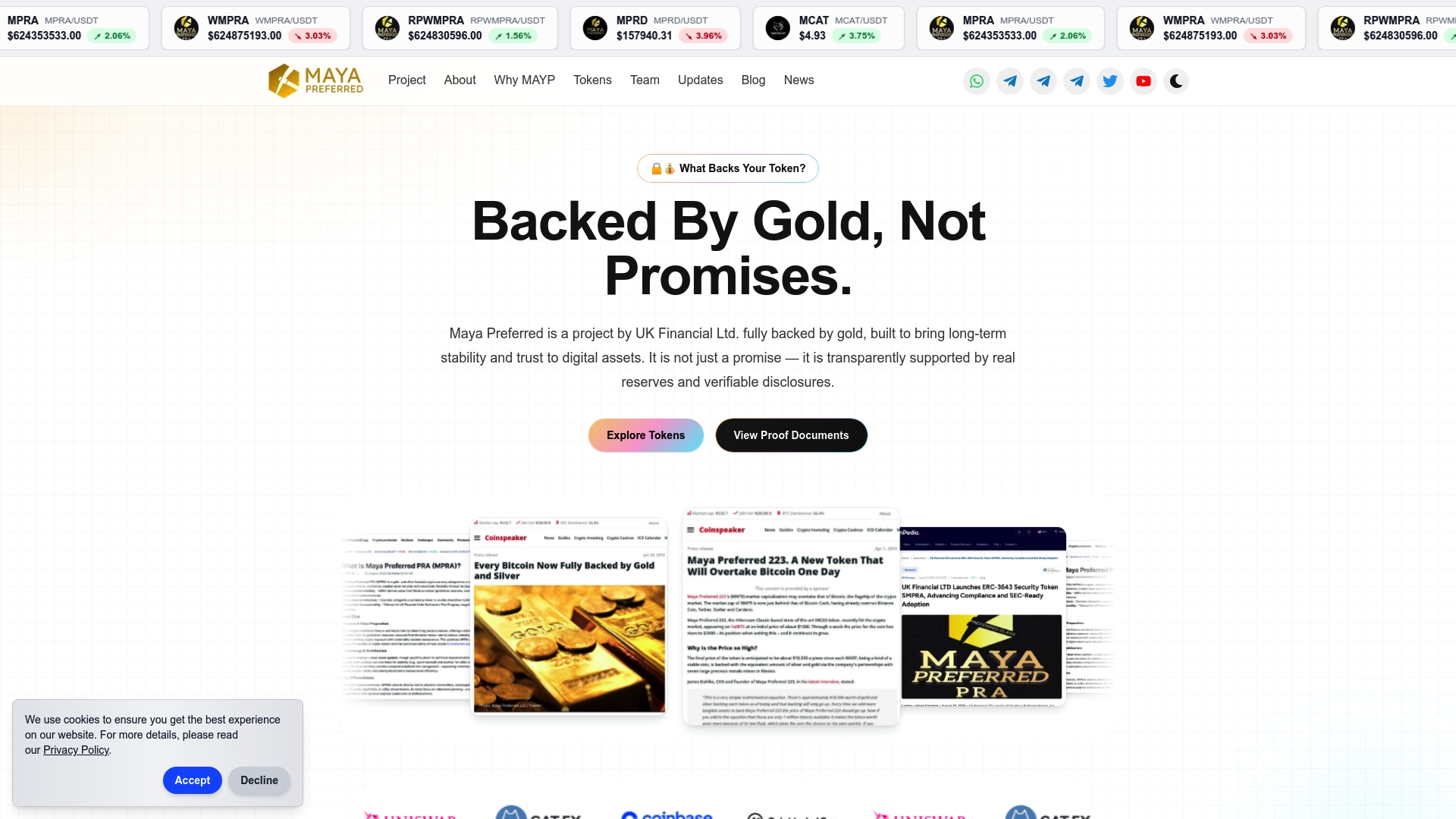
Maya Preferred bridges this gap by offering blockchain-based tokens such as MPRA, MPRD, and MCAT that are meticulously supported by real-world gold and silver assets. Every token comes with transparent disclosures, legal filings, and ongoing audit reports so you can verify the physical reserves behind your investment. This approach transforms the abstract world of digital assets into something tangible you can trust and participate in today.
Explore how Maya Preferred brings hybrid digital assets to life and take advantage of secure, asset-backed opportunities that combine the stability of precious metals with modern blockchain technology.
Start your journey with Maya Preferred now to unlock the benefits of transparent commodity-backed digital investments designed for discerning investors like you.
Frequently Asked Questions
What are hybrid digital assets?
Hybrid digital assets are financial instruments that combine characteristics of traditional assets with digital technology, often represented through blockchain. They include tokenized representations of physical assets like gold or real estate, providing digital ownership while maintaining intrinsic value.
How do hybrid digital assets differ from cryptocurrency?
Unlike purely speculative cryptocurrencies, hybrid digital assets are linked to tangible value through real-world reserves, making them less volatile and providing more stability to investors. They represent a blend of traditional and digital asset classes.
What are the benefits of investing in hybrid digital assets?
Investing in hybrid digital assets offers benefits such as enhanced liquidity, fractional ownership, global accessibility, and transparent records. These features help investors diversify their portfolios and access previously illiquid asset classes more easily.
What risks should investors consider with hybrid digital assets?
Investors should be aware of regulatory uncertainties, technological vulnerabilities, and cybersecurity threats when dealing with hybrid digital assets. Conducting thorough due diligence and understanding the legal status and asset backing are essential to mitigate these risks.