
Why Gold Backs Tokens: Stability and Trust in Crypto

More than 60 percent of globally-minded American and European digital asset investors now seek stable, asset-backed cryptocurrencies that offer trustworthy connections to physical commodities. This surge in interest reflects growing demand for alternatives to traditional crypto market volatility, especially among those who value the security of gold and silver. If you are focused on protecting wealth while demanding the highest standards of transparency and credibility, new insights into gold-backed tokens could transform your investment strategy.
Table of Contents
- Gold-Backed Tokens Defined and Debunked
- How Gold Reserves Secure Digital Assets
- Types of Gold-Backed Tokens Explained
- Transparency, Audits, and Investor Protections
- Risks, Costs, and Key Comparisons
Key Takeaways
| Point | Details |
|---|---|
| Gold-Backed Tokens Connect Digital and Physical Assets | These tokens allow investors to trade gold digitally while being backed by physical gold reserves, offering less volatility than traditional cryptocurrencies. |
| Rigorous Transparency is Essential | Investors should verify custodians’ reputations, audit processes, and gold reserve confirmations prior to investing. |
| Diverse Token Options Exist | Various gold-backed tokens offer unique features and redemption options; thorough research is crucial for informed investment decisions. |
| Investor Protections Enhance Trust | Advanced security measures, including audits and blockchain verification, provide a reliable framework for safeguarding investments in gold-backed tokens. |
Gold-Backed Tokens Defined and Debunked
Gold-backed cryptocurrencies represent a unique financial innovation that bridges traditional precious metals investment with digital asset technology. These digital tokens are directly tied to physical gold reserves, providing investors a modern method to own and trade gold without the logistical challenges of physical storage.
At their core, gold-backed tokens function as digital representations of physical gold, where each token corresponds to a specific quantity of gold stored in secure vaults. Unlike traditional cryptocurrencies with volatile valuations, these assets maintain stability through their direct connection to a tangible, valuable commodity. Stablecoins pegged to gold reserves offer investors a unique opportunity to leverage blockchain technology while mitigating the extreme price fluctuations common in the crypto market.
The mechanism behind gold-backed tokens requires rigorous transparency and verification processes. Trusted custodians must maintain precise gold reserves, conduct regular independent audits, and provide verifiable documentation that confirms each token’s underlying gold value. This approach addresses key investor concerns by creating a traceable, accountable system where digital assets directly represent physical wealth. Key advantages include enhanced liquidity, fractional ownership possibilities, and simplified international trading compared to traditional gold investments.
Pro tip: Before investing in gold-backed tokens, always verify the custodian’s reputation, audit frequency, and the exact gold reserve verification process to ensure your digital asset truly represents physical gold.
Here’s a concise breakdown of key differences between gold-backed tokens and traditional gold investments:
| Feature | Gold-Backed Tokens | Physical Gold |
|---|---|---|
| Ownership Method | Digital token on blockchain | Physical bars or coins |
| Liquidity | Instant online trading | Requires in-person selling |
| Storage Needs | Secure vault by custodian | Personal secure storage required |
| Audit Transparency | Blockchain records and third-party audits | Traditional paper documentation |
| Fractional Investing | Easy, any amount | Not practical below 1 gram |
How Gold Reserves Secure Digital Assets
Blockchain technology has revolutionized how physical gold can be transformed into secure digital assets through advanced tokenization techniques. Blockchain and NFTs enable precise certification of gold ownership, creating an immutable and transparent record that bridges physical precious metals with digital financial instruments. This technological approach fundamentally changes how investors can interact with gold reserves, reducing traditional barriers of entry and complexity.
The process of digitizing gold reserves goes far beyond simple representation. Digital tokenization converts illiquid physical gold into programmable, instantly transferable assets that meet rigorous regulatory standards. Compliant digital assets secured in regulated vaults offer institutional investors unprecedented access to gold investments with enhanced liquidity and reduced custody risks. By linking blockchain technology with physical gold storage, investors can now trade fractional gold ownership with unprecedented speed and transparency.
The security mechanisms underlying gold-backed digital assets involve multiple layers of verification and trust. Independent auditors regularly inspect physical gold reserves, blockchain networks provide immutable transaction records, and smart contract technologies ensure precise tracking of ownership. These multilayered security protocols address historical concerns about gold investment transparency, creating a robust framework that combines the stability of precious metals with the efficiency of digital financial technologies.
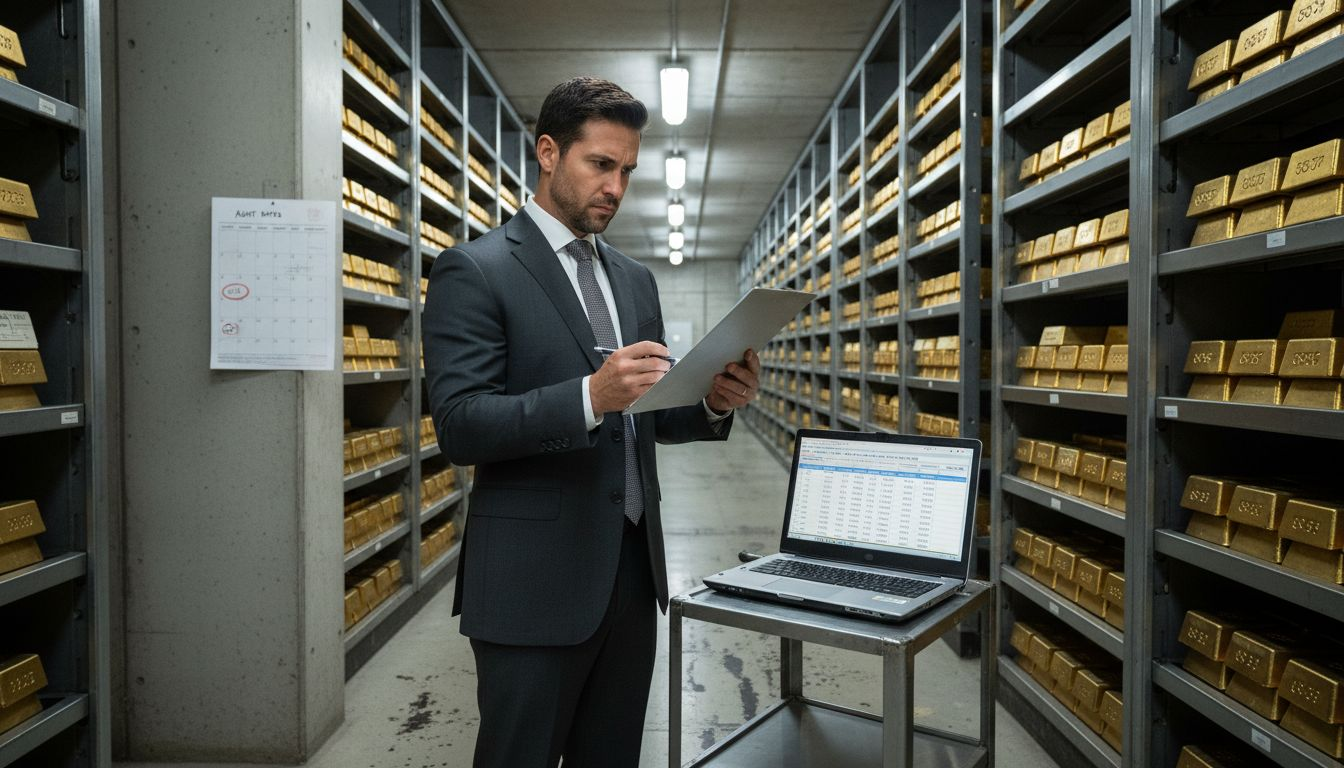
Pro tip: Always verify the specific audit processes, vault locations, and blockchain verification mechanisms before investing in gold-backed digital assets to ensure maximum transparency and security.
Types of Gold-Backed Tokens Explained
Stablecoins representing gold-backed digital assets can be categorized into distinct types based on their collateral mechanisms, regulatory compliance, and underlying technological infrastructure. These tokens represent a sophisticated approach to digitizing precious metal investments, offering investors multiple options for engaging with gold as a digital financial instrument. The fundamental classification distinguishes between tokens with varying levels of physical gold backing, redemption capabilities, and blockchain implementation.
The market features several prominent gold-backed token varieties, each with unique characteristics. Redeemable tokens like Paxos Gold (PAXG) allow direct physical gold redemption, while others such as Tether Gold (XAUT) provide fractional ownership through sophisticated blockchain mechanisms. Diverse gold-backed cryptocurrency standards demonstrate the evolving complexity of these digital assets, with most currently operating as ERC-20 tokens on the Ethereum network. Some specialized tokens even incorporate additional features like NFT rewards or specific compliance standards such as Shariah certification, expanding the potential use cases for gold-backed digital investments.
Regulatory compliance and transparency represent critical differentiators among gold-backed tokens. Investors must carefully evaluate factors like custodial storage locations, audit frequency, redemption processes, and the specific mechanisms guaranteeing token value. The most robust gold-backed tokens provide comprehensive documentation about their physical gold reserves, independent third-party audits, and clear mechanisms for token holders to verify the underlying asset backing. This approach transforms traditional gold investment by introducing unprecedented levels of digital accessibility and transparency.
Pro tip: Conduct thorough due diligence by examining the specific redemption mechanisms, custody details, and regulatory compliance of any gold-backed token before making an investment.
Below is a quick reference table outlining major gold-backed token types and their unique features:
| Token Example | Redemption Option | Notable Feature |
|---|---|---|
| Paxos Gold (PAXG) | Physical gold possible | Regulated U.S. custodian |
| Tether Gold (XAUT) | No direct redemption | Fractional blockchain ownership |
| Perth Mint Gold Token (PMGT) | Physical delivery in Australia | Government-backed vaults |
| Kinesis Gold (KAU) | Instant transfer & redemption | Additional yield rewards |
| Xaurum (XAUR) | No redemption option | Fixed gold reserves backing |
Transparency, Audits, and Investor Protections
Transparent vault audits represent the cornerstone of trust in gold-backed digital assets, providing investors with critical insights into the underlying physical reserves. These comprehensive verification processes go beyond traditional financial reporting, leveraging blockchain technologies to create unprecedented levels of accountability. The audit mechanism ensures that each digital token maintains a precise, verifiable connection to its physical gold counterpart, addressing historical concerns about asset legitimacy and market transparency.
The audit process involves multiple layers of verification, including independent third-party assessments, on-chain data tracking, and comprehensive documentation of gold reserves. Specialized tokens implement rigorous protocols that confirm critical details such as gold purity, exact vault locations, and precise quantity of physical assets backing each digital token. This multilayered approach provides institutional investors and individual traders with comprehensive visibility into the true value and authenticity of their digital gold investments, dramatically reducing the risks associated with traditional precious metal trading.
Investor protections in gold-backed tokens extend beyond simple auditing, incorporating sophisticated technological and legal frameworks designed to safeguard digital asset holders. Advanced blockchain verification tools enable real-time tracking of gold reserves, while smart contract technologies ensure transparent, immutable records of ownership and transactions. Regulatory compliance mechanisms further strengthen investor confidence by implementing strict guidelines for asset management, redemption processes, and ongoing financial reporting. These comprehensive protections transform gold-backed tokens from speculative instruments into robust, trustworthy financial products.
Pro tip: Request and personally review the most recent independent audit documentation before investing in any gold-backed digital asset to verify the precise details of physical reserve backing.
Risks, Costs, and Key Comparisons
Gold-backed cryptocurrencies present a nuanced investment landscape that requires careful evaluation of potential benefits and inherent risks. Unlike traditional cryptocurrency assets, these tokens offer a unique approach to digital investment by anchoring value to physical gold reserves. Investors must understand the complex interplay between potential portfolio diversification and the specific challenges associated with gold-backed digital assets.
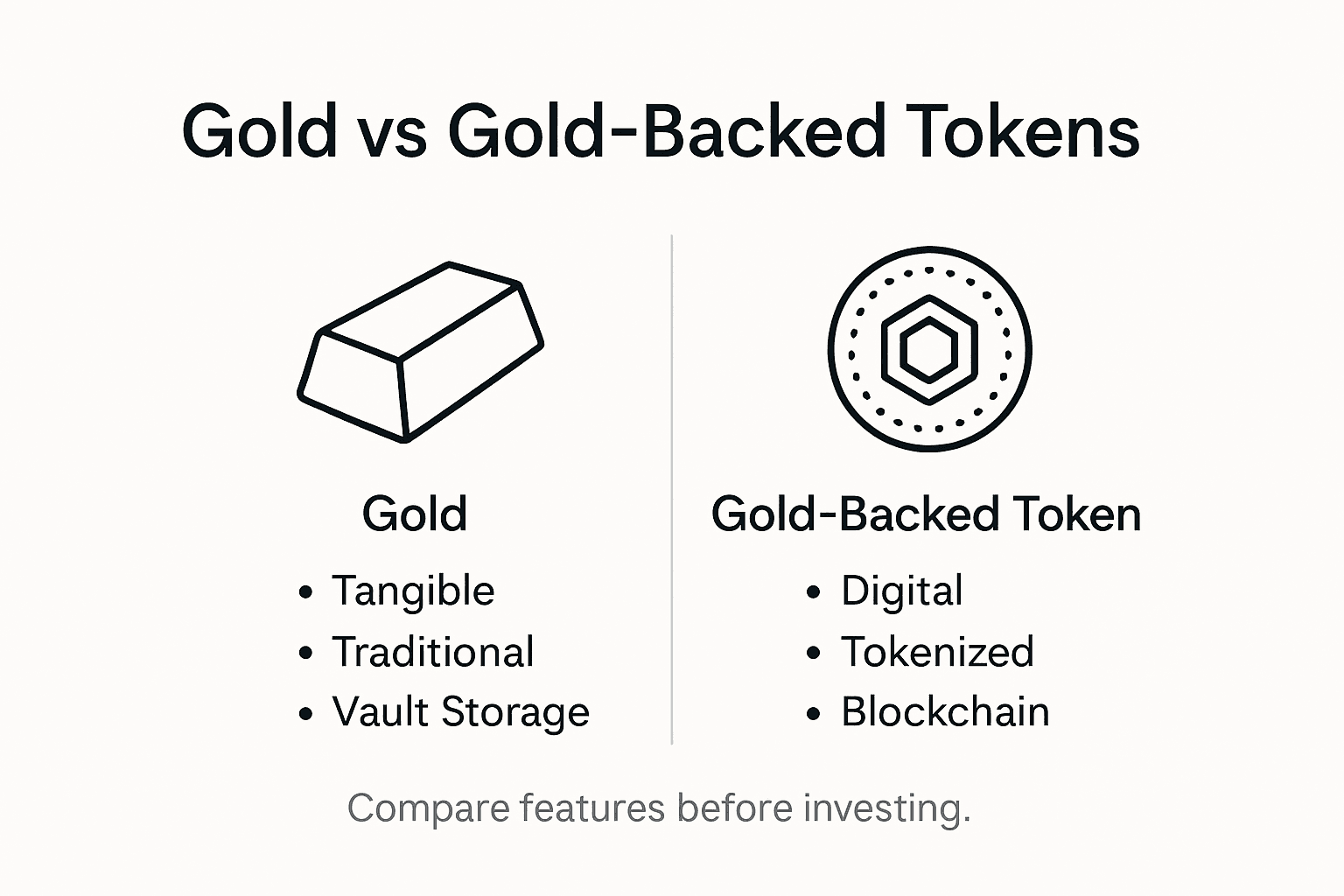
The investment ecosystem for gold-backed tokens involves multiple layers of financial complexity. Comparative analysis reveals distinct trade-offs between gold and USD-backed stablecoins, with each asset class presenting unique advantages and limitations. Gold-backed tokens typically demonstrate lower volatility compared to traditional cryptocurrencies, but they simultaneously face challenges such as higher storage costs, more complex custody requirements, and potentially limited market liquidity. Investors must carefully weigh factors like custodian reliability, physical gold reserve verification, and the associated operational expenses that can impact overall investment performance.
Risk mitigation strategies for gold-backed tokens require a multifaceted approach. Counterparty risks remain a significant concern, as the token’s stability depends entirely on the integrity of the underlying custodial mechanisms. Institutional investors should conduct comprehensive due diligence, examining the token issuer’s track record, audit processes, and regulatory compliance. Additionally, understanding the precise mechanisms for gold redemption, potential insurance coverages, and the legal frameworks governing these digital assets becomes crucial for making informed investment decisions.
Pro tip: Conduct a thorough comparative analysis of multiple gold-backed token providers, examining their storage costs, redemption policies, and independent audit frequencies before committing your investment.
Discover Stability and Trust with Gold-Backed Digital Assets
The challenge of finding true stability and transparency in the crypto market is real. This article highlights how gold-backed tokens solve critical problems like volatility and lack of trust by tying digital assets directly to physical gold reserves supported by rigorous audits and transparent custodianship. If you seek an investment solution that bridges traditional precious metals with modern blockchain technology you need a platform committed to these exact principles.
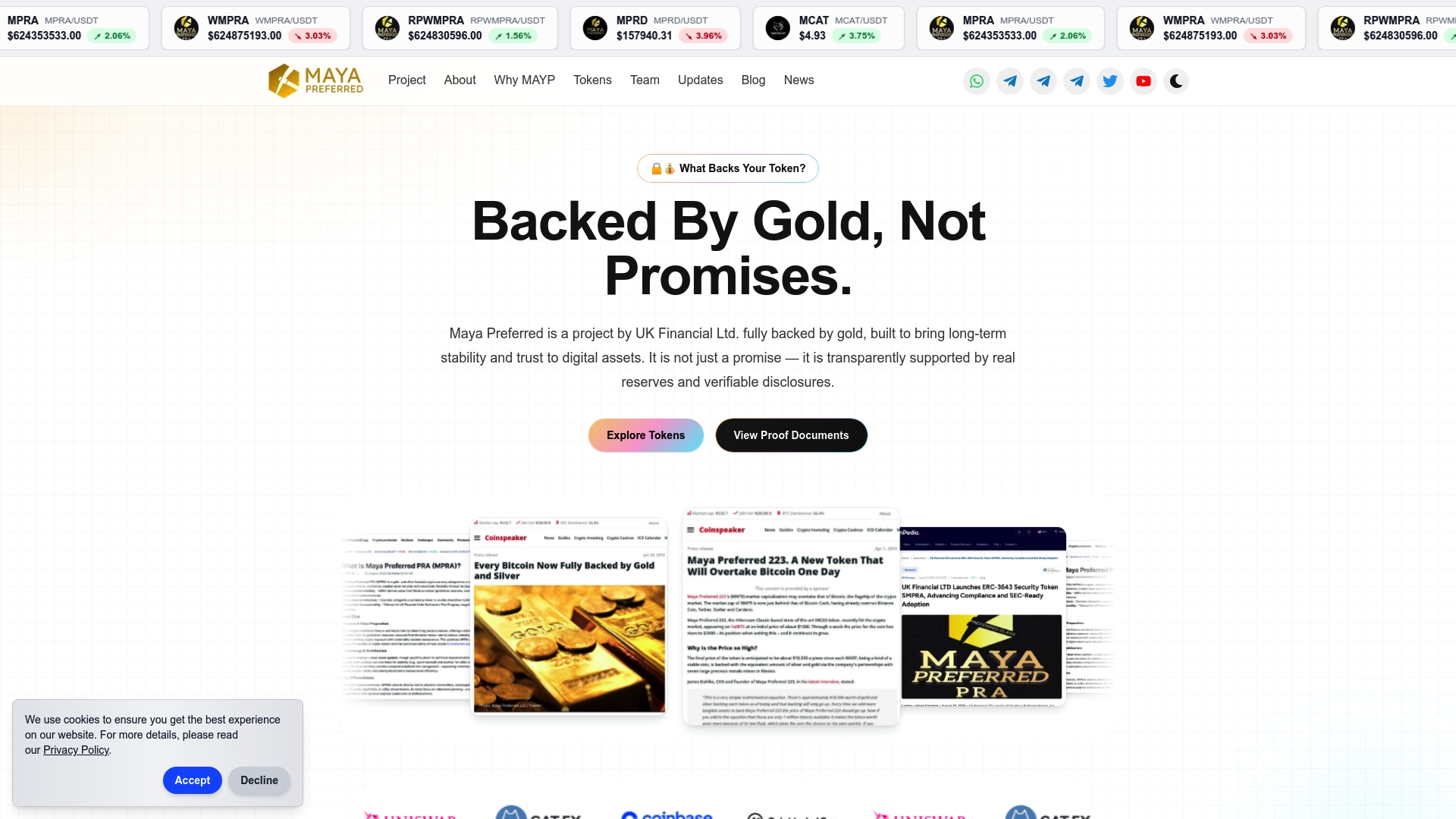
Explore how Maya Preferred delivers on these promises with tokens fully backed by gold and silver reserves along with associated mining projects. Our project emphasizes real-world asset backing supported by detailed proof documents and ongoing audits to give investors clear visibility and confidence. Learn more about our unique utility tokens MPRA, MPRD, and MCAT engineered specifically for stability and transparency on Maya Preferred. Start your journey toward secure, asset-backed investments today by visiting our platform and see how we build trust where it matters most.
Frequently Asked Questions
What are gold-backed tokens?
Gold-backed tokens are digital representations of physical gold, where each token corresponds to a specific quantity of gold stored in secure vaults. They combine traditional gold investment with blockchain technology, providing stability in value compared to other cryptocurrencies.
How do gold-backed tokens ensure stability and trust?
Gold-backed tokens are tied to physical gold reserves, which mitigates price volatility. They often include rigorous transparency measures, such as regular audits and blockchain documentation, ensuring investors can verify the existence and value of their underlying gold assets.
What are the advantages of investing in gold-backed tokens over physical gold?
Investing in gold-backed tokens offers advantages such as enhanced liquidity, the ability to trade assets electronically, fractional ownership opportunities, and reduced storage hassles associated with physical gold, thus making it more accessible to a wider audience.
What should I check before investing in gold-backed tokens?
Before investing, ensure to verify the custodian’s reputation, the audit frequency, the process for redeeming the gold, and the specific mechanisms that guarantee the token’s value. This will help ensure that your investment is secure and transparent.